

East Cape Real Estate & Lifestyle Overview
Where Seclusion and Untouched Coastline Define the Lifestyle
Beachfront & Open Coastline
Secluded
Long-Term Hold Bias
Orientation
The East Cape operates as a low-density coastal environment defined by space, privacy, and direct access to nature. Unlike town-centered markets, lifestyle here is shaped by the landscape itself—open coastline, expansive parcels, and minimal urban infrastructure. Ownership decisions on the East Cape are inherently long-term, requiring an understanding of access, self-sufficiency, and future development patterns rather than immediate market liquidity.
Market Reality
• Transaction volume is lower and more episodic, with pricing shaped by land characteristics, access, and development readiness.
• Infrastructure variability creates wide performance differences between nearby parcels.
• Market outcomes reward long-term alignment rather than short-term timing.
Dynamic Tourism Hub
High Quality
Peak Winter Season
Peak Winter Season
Ownership on the East Cape requires a long-term mindset and careful assessment of access, utilities, and development readiness. Parcel characteristics, elevation, and infrastructure availability materially affect both usability and future value. Successful ownership here depends on aligning expectations with the realities of low-density coastal living.
Ownership TradeOffs
• Privacy, space, and open coastline require acceptance of limited infrastructure and longer access times.
• Long-term appreciation potential is paired with lower short-term liquidity.
• Development flexibility varies significantly by parcel, requiring careful due diligence.
Considerations
Well Suited For
• Buyers seeking space, privacy, and a direct connection to nature and open coastline.
• Owners comfortable with long-term horizons, self-sufficiency, and lower-density environments.
• Individuals prioritizing land value, views, and seclusion over immediate access and liquidity.
Not Ideal For
• Buyers requiring immediate access to services, dining, and urban infrastructure.
• Owners seeking short-term liquidity or frequent resale opportunities.
• Individuals uncomfortable with extended timelines, limited utilities, or remote settings.
Regional Market Report
East Cape Regional Real Estate Market Profile
East Cape | Nature-First Coastal Lifestyle
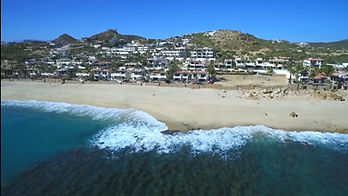
The East Cape is defined by raw desert coastline, swimmable beaches, and direct proximity to Cabo Pulmo National Marine Park, one of the most protected marine ecosystems on Earth. Environmental stewardship and low-density planning have limited overdevelopment, reinforcing long-term scarcity and lifestyle integrity. Anchored by global confidence from Four Seasons Costa Palmas and Amanvari, the region attracts buyers aligned with privacy, space, and enduring coastal value rather than short-term cycles.

Beaches That Define the Region
The coastline is one of the defining elements of this region. From quiet coves to well-known surf breaks and swimmable stretches of sand, these beaches help shape the lifestyle, character, and long-term appeal of this part of Los Cabos.
Explore the beaches below to better understand the coastline that defines the region.


Long Term Insight
The East Cape’s long-term trajectory is defined by patience and land-based value rather than immediacy. As infrastructure gradually expands, outcomes will vary significantly by access, elevation, and proximity to the coast. Owners who succeed long term tend to be those aligned with the realities of low-density development and extended timelines. Here, value is created through foresight and endurance rather than liquidity.




Structural Framework Connection
Guidance for discerning buyers navigating Los Cabos luxury market

Zon Murray has spent over four decades living in Los Cabos, experiencing firsthand how each region, coastline, and community shapes daily life.
From the Pacific to the Sea of Cortez, lifestyle here is defined by subtle differences — in rhythm, environment, access, and long-term livability — that are not always immediately visible.
This perspective goes beyond surface impressions, offering a clearer understanding of how each area functions over time, both as a place to live and as part of a broader investment landscape.
Through Cabo Coastal, this insight is refined and structured, with transactions executed through Diamante Realtors.
